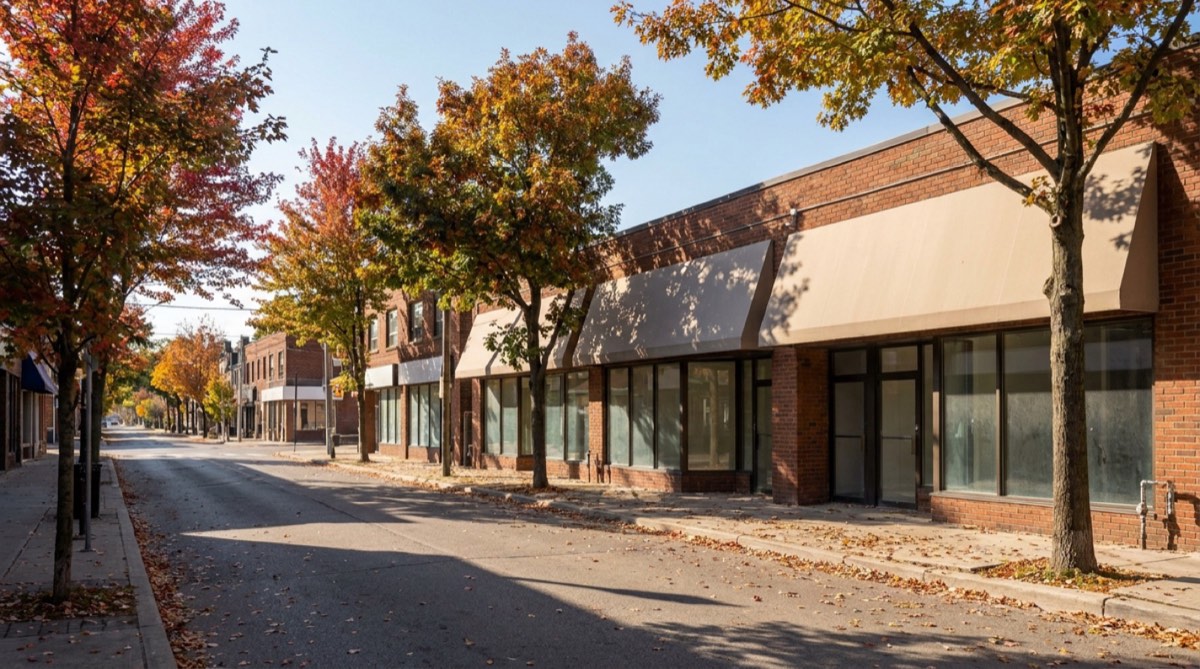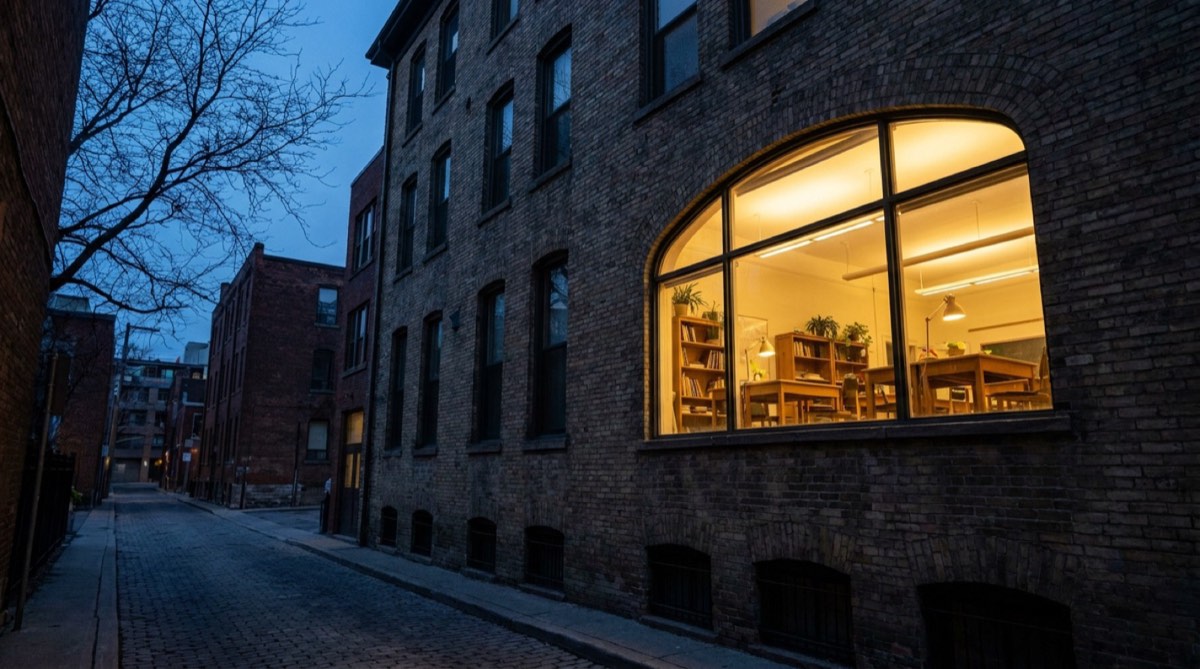
A student with a five-shift week is not less capable than a student without one. They just have fewer hours between three and six in the afternoon, which is when most of high school happens.
That is the whole problem. Not ability, not motivation. Timetable.
Why daytime-only school does not work for every student
The students who come looking for an evening credit are usually not in trouble academically. They are in a scheduling collision.
Some are working — a real job, with a manager and a rota, sometimes because the household needs it. Some train competitively, and training blocks are set by a club that will not move them. Some carry family responsibilities, minding younger siblings until a parent gets home. Some spend ninety minutes a day on transit and lose their best working hours to it.
None of those students needs an easier course. They need the course to happen at a different hour.
What a session actually looks like
Credit courses here run in morning, afternoon or evening sessions. You pick the block that survives contact with the rest of your week.
Classes are small, which matters more at night than it does at ten in the morning. In a small room a teacher notices when you have stopped following, and in an evening class after a shift, that gap can open quietly. You are not sitting at the back of a large group hoping to catch up later.
How often a class meets varies by course and term, so it is worth reading how often students attend class before you plan a shift schedule around it. Do not guess at the pattern — get it confirmed for the specific course you are taking.
Open seven days a week — where the weekend fits in
The building is open longer than a typical school day. Monday to Saturday, 10:00am to 10:00pm. Sunday, 10:00am to 6:30pm.
Long opening hours are not the same thing as a guarantee that any given course runs on any given day. What actually runs in a term depends on the course and the enrolment behind it. So treat the hours as the outer boundary of what is possible, and confirm the specifics.
If Saturday is the only day your week has room in it, say so at the start rather than after you have registered. It is a reasonable thing to ask about, and the answer decides whether the plan works.
Which courses are available outside daytime hours
Ontario secondary credit courses run here for Grades 9 through 12, and tutoring runs from Grade 1 through 12. You can browse the full course list to find the code you need.
The catalogue tells you what is taught. It does not tell you which session a particular course is timetabled into this term — that changes. If you have a specific code in mind and a specific block you need it in, phone before you make plans around it: +1 (416) 949-6064, or [email protected]. Ten minutes on the phone is cheaper than discovering in week one that the course you need only runs in the afternoon this term.
How this compares with a daytime semester
Two differences are worth naming, and both cut in more than one direction.
The first is the calendar. A conventional school year has two intake points. Miss one and the wait is months. Six terms a year means a start date is usually weeks away instead, which is why an evening student who has just had a schedule change is not automatically written off for the year.
The second is the size of the room. Fewer students means less anonymity — useful if you have been drifting, less comfortable if you were counting on being able to have an off day quietly.
What does not change is the work. An evening credit is a credit. The expectations are the same as they are at nine in the morning, and anyone who tells you otherwise is selling something.
What homework looks like around a job
This is the part people underestimate.
Class time is the fixed cost. The variable cost is everything you do outside it — reading, problem sets, drafting, revising for the assessment. If you are working evenings and studying evenings, those two things are competing for the same hours, and something has to give.
A few things that help:
- Count the hours honestly before you enrol. Write out your actual week — shifts, training, transit, prayer, sleep. Whatever is left is your study time. If it is thin, take one course, not two.
- Protect one fixed block a week. A recurring two-hour slot you defend beats good intentions spread across seven days.
- Ask your teacher what a typical week requires, early, before the first assessment. The answer varies by subject far more than students expect.
- Tell your employer the term dates. Most managers will work around a known date. Very few will work around a surprise.
If the honest count says there is no room, that is information, not failure. Take the credit in a term where there is room, or take it over the summer instead — the July and August sessions exist for exactly this.
Booking a term that fits your week
If the schedule is the obstacle, start with the schedule rather than with the paperwork. Ring or email and ask which sessions are running for the course you need, in the term you are looking at. Then see the enrolment process so you know what placement involves, and apply for an evening session once you know the block exists.
We are at 2704 Danforth Ave. in Toronto, and the school has been running here since 2010. If it is easier to come in and work it out on paper with someone, that is fine too — bring your current timetable and your work schedule, and put them side by side.